Research Intelligence Platform Multi-Omics Intelligence. Instant Insights.
In multi-omics research, data generation is no longer the bottleneck — interpretation is. Health Evidence, powered by HealthFAX™ AI, closes that gap.
A unified, query-driven platform that synthesizes genomic, transcriptomic, proteomic, functional annotation, and primary literature data into prioritized, citation-linked insight — in seconds.
5+
Integrated omics data layers in a single query
10x
Reduction in cross-database evidence collation time
3
Steps from query to citation-linked biological insight
Zero
Manual data normalization or database toggling required
From Fragmented Databases to Structured Insight
The Problem
Interpretation is the new bottleneck
Teams spend significant time navigating PubMed, pathway tools, and bioinformatics databases before meaningful analysis can even begin.
The Old Way
Manual evidence collation across siloed tools
Researchers toggle between disconnected platforms — PubMed, KEGG, UniProt, GEO — stitching together evidence by hand. Slow, error-prone, and unsustainable at scale.
The Health Evidence Way
One query. Every data layer. Instant synthesis.
Search by gene, variant, phenotype, or pathway — and receive normalized, ranked, citation-linked evidence across all omics layers in a single interface.
The Outcome
Raw data to structured biological insight — fast
Candidate prioritization accelerated. Literature screening time reduced. Pathway validation tightened. Teams move faster from discovery to decision.
Every Data Layer. One Interface.
Health Evidence unifies five critical evidence streams into a single, query-driven platform — eliminating the need to navigate separate databases for each data type.
Genomics
Variant annotations, gene-disease associations, population-level allele frequency data.
Transcriptomics
Gene expression profiles, differential expression, RNA-seq datasets across tissues and conditions.
Proteomics
Protein function, interaction networks, post-translational modifications and structural data.
Functional Annotation
Pathway memberships, GO terms, regulatory elements, and tissue-specific expression patterns.
Primary Literature
PubMed-linked citations, ranked by relevance and recency, normalized and queryable alongside data.
From Query to Insight in Three Steps
No data engineering. No cross-database exports. Just a query — and structured, actionable evidence.
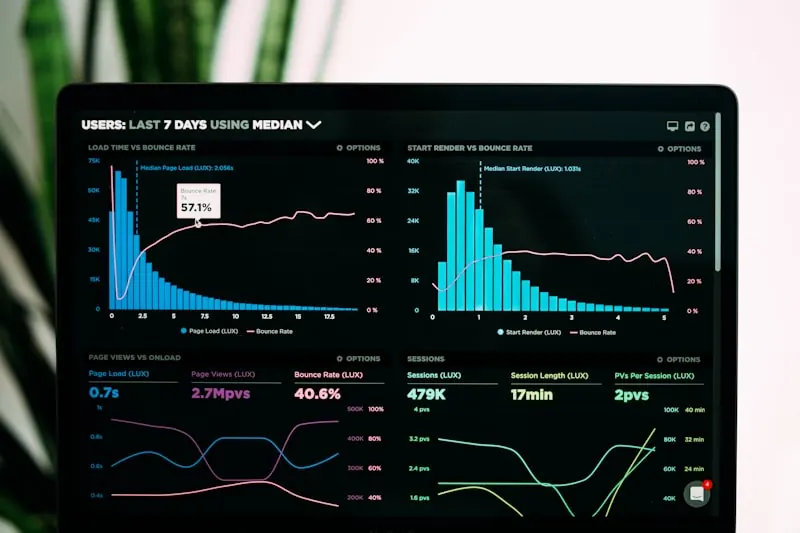
Query
Search by gene symbol, variant ID, phenotype, or pathway name. The platform accepts natural language and structured inputs across all omics layers simultaneously.

Synthesize
HealthFAX™ AI normalizes, deduplicates, and ranks evidence from across all connected data sources — weighting by relevance, recency, and biological context.
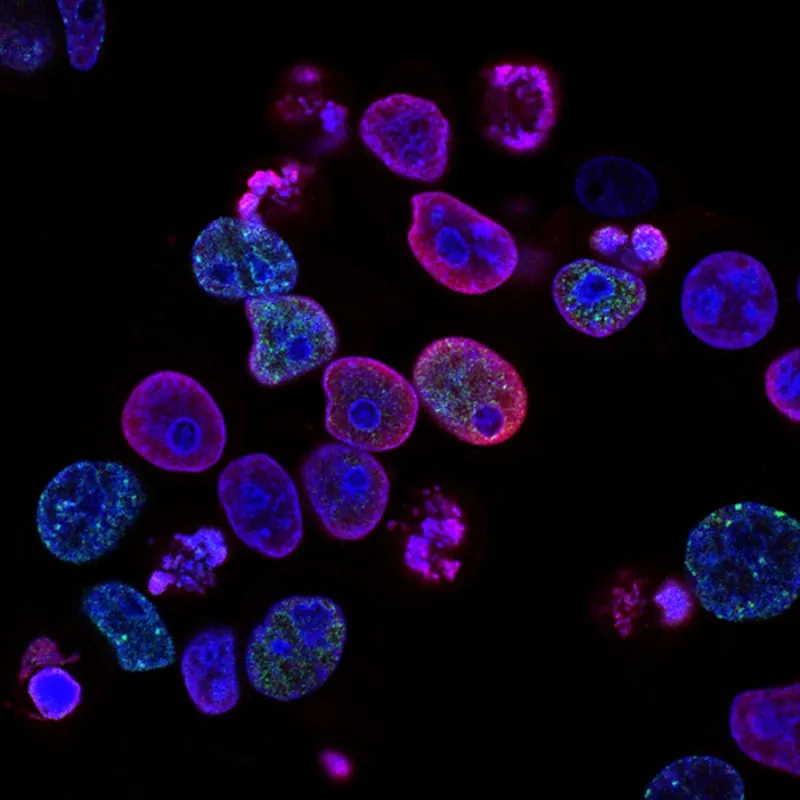
Act
Receive prioritized, citation-linked, structured biological insight — ready for pathway validation, candidate selection, or downstream analysis. No manual collation required.
Measurable Research Impact
Health Evidence removes the manual overhead that slows discovery — so teams spend more time doing science and less time searching for it.
Eliminates Manual Evidence Collation
Unified data access replaces hours of cross-database searches with a single structured query.
Accelerates Candidate Prioritization
AI-ranked evidence surfaces the strongest biological signals first — reducing time-to-candidate across discovery programs.
Reduces Literature Screening Time
Citation-linked, relevance-ranked results replace manual PubMed triage with precision-filtered evidence.
Raw Data to Structured Insight — Fast
Teams move directly from data to decision without intermediate collation, normalization, or manual annotation steps.
Built for Discovery and Translational Teams
Health Evidence adapts to the specific demands of each research phase — from early-stage discovery to clinical translation.
Evidence Synthesis & Ranking
- Normalizes evidence across heterogeneous omics databases
- Ranks findings by biological relevance and study quality
- Deduplicates overlapping records across sources automatically
- Surfaces conflicting evidence with confidence scoring
Pathway & Variant Intelligence
- Maps genes and variants to known biological pathways
- Identifies co-occurring pathway disruptions across conditions
- Links variants to phenotype associations from curated databases
- Supports hypothesis generation for novel target discovery
Literature Integration
- Citation-linked results tied directly to primary evidence
- Relevance-ranked PubMed results filtered to your query context
- Tracks emerging literature on monitored genes or pathways
- Reduces literature screening from days to minutes
Translational Workflow Support
- Bridges discovery findings to clinical relevance signals
- Supports cohort design with phenotype-variant association data
- Aligns omics findings with clinical outcome evidence
- Integrates with downstream bioinformatics and analysis pipelines
Who Uses Research Intelligence
From early discovery to late-stage translation, research teams use Health Evidence to move faster and with greater confidence.
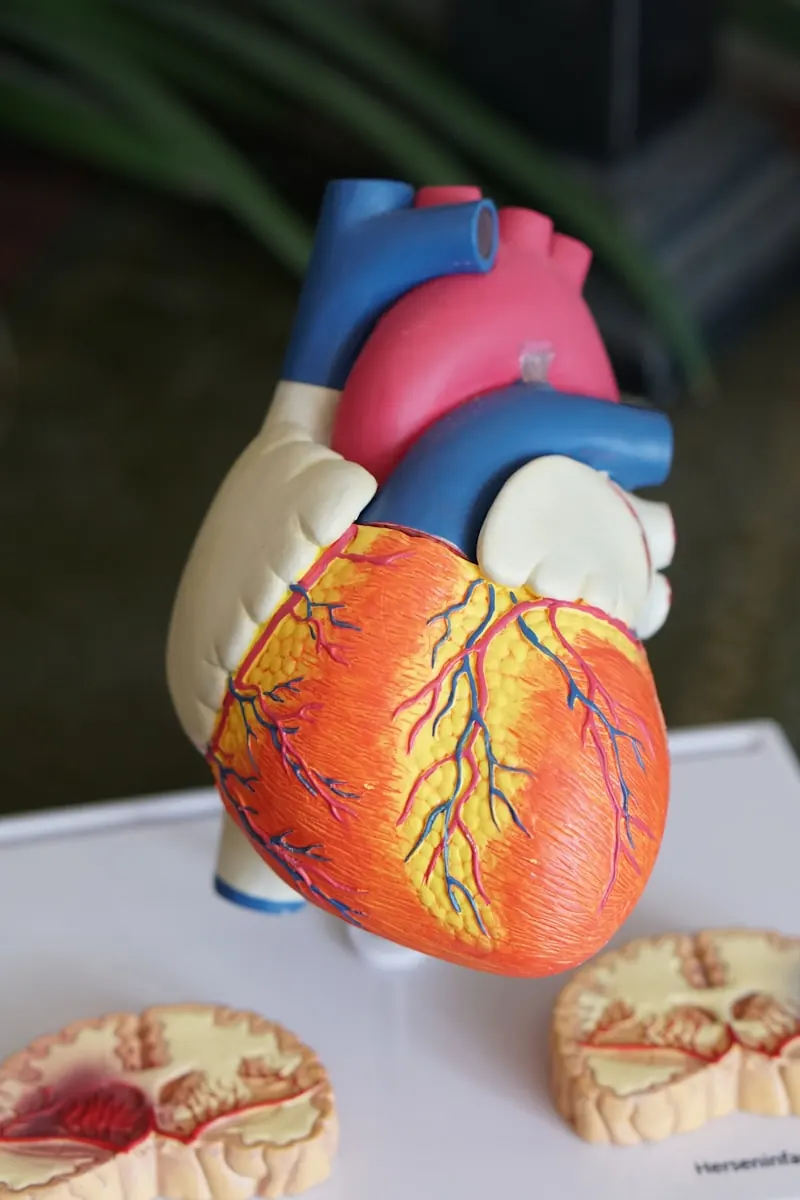
Discovery Research
Target identification teams use Health Evidence to rapidly assess the multi-omics landscape around candidate genes — surfacing disease associations, expression profiles, and pathway context in minutes rather than days.

Translational Science
Translational scientists cross-reference variant-phenotype associations, protein interaction data, and clinical literature simultaneously — accelerating the path from molecular finding to testable clinical hypothesis.

Clinical Genomics
Clinical genomics teams use prioritized, citation-linked variant evidence to support interpretation workflows — reducing manual curation time and improving consistency across complex cases.

Biotech & Pharma R&D
R&D organizations leverage Health Evidence to de-risk pipeline decisions — validating pathway hypotheses, understanding competitive target landscapes, and aligning multi-omics evidence with regulatory-grade documentation needs.
Customer Results
Measured outcomes from OptraHEALTH deployments. Client names are kept confidential.
Does Research Intelligence Fit Your Workflows?
If you're navigating multi-omics interpretation at scale, we'd welcome a brief conversation to explore the fit.